
Corporate budgeting has evolved from an annual event into a continuous and dynamic process. In data-driven and goal-oriented companies, the budget cycle functions as a living management system, with constant reviews and integration between operations and strategy.
In this article, we present the CFO Financial Calendar: a clear and practical timeline with the financial department's responsibilities throughout the year, including the start of the next year's budget, which happens in parallel.
You will understand:
How the budget cycle works month by month
The risk of keeping this process manual and decentralized
How platforms like Mitra help transform the process without disruption
The budget cycle is parallel and continuous
Budget planning and execution occur simultaneously. While one year's budget is being executed, the next cycle is already being built. This dynamic requires discipline, integrated data, and agility.
According to a PwC study, 63% of CFOs already operate with continuous budget cycles, and those who automate this process are 38% faster at responding to market changes.
Essential information for a complete view of the budget cycle

For the budget cycle to be effective, it is essential that the CFO and their team have access to accurate and up-to-date information. Essential data includes:
Macroeconomic assumptions: projections of inflation, exchange rates, GDP growth, and other indicators that impact the business.
Financial history: analysis of revenues, expenses, investments, and cash flow from previous periods.
Strategic goals: objectives defined by senior management that guide financial planning.
Performance indicators (KPIs): metrics that allow you to track budget execution and identify variances.
Feedback from departments: qualitative and quantitative information provided by managers from each department.
Integrating this information on a centralized platform facilitates budget development, monitoring, and revision, making the process more agile and accurate.
The CFO Financial Calendar: month by month

January: from activation to execution
The new budget goes into effect. This is the time to open cost centers, align targets with leaders, and ensure the budget is correctly operationalized in systems. The focus is on communicating targets and structuring tracking.
Efficient CFOs ensure that all departments understand not just "how much" to spend, but "why" and "for what purpose."
February and March: early alerts and corrections
The first data of the year begins to be consolidated. The accounting department analyzes actual versus budgeted figures and identifies variances. Minor operational adjustments can already be made. It is also a good time to gather feedback from departments and begin diagnostics that will support the next budget.
April and May: reforecast and learning
With the first quarter closed, the CFO updates projections and replans critical targets based on actual data. At the same time, they begin mapping assumptions for the next year: market analysis, cost trends, productivity, inflation, and investments.
June and July: performance and strategic vision
The semester closes and the CFO operates on two fronts:
Evaluate current cycle performance and revise targets
Begin structuring the budget for the next fiscal year, defining priorities and engaging leadership in medium-term decisions
August and September: building the new budget
The collaborative and structured process begins with departments. Each manager proposes targets and resources, aligned with strategic priorities. The CFO and accounting department consolidate data, test scenarios, and run simulations with varying assumptions.
Companies with mature processes avoid the cascading effect of revisions and reduce budget consolidation time by up to 40%.
October: review and refinement
It is time to review proposals, test performance indicators (KPIs), validate growth assumptions, and if necessary, make cuts or fine adjustments to ensure economic viability and balance across departments.
November: approval and implementation
The budget is approved. The focus shifts to its technical implementation — parametrization in systems, activation of cost centers, and definition of new approval authorities. Communication with leadership is essential to ensure alignment in future execution.
December: closing and transition
With the accounting and fiscal closing of the fiscal year, the CFO conducts the analysis of annual performance and executes the transition to the new budget, which was already built and parametrized in the previous months. It is also a time to reflect on lessons learned and adjust processes.
The invisible risk of manual management

Companies that still do budget planning through spreadsheets face:
Manual errors in formulas and untracked versions
Difficulty updating forecasts with agility
Lack of visibility for leadership and departments
Risk of decisions based on outdated data
According to CFO.com, 90% of spreadsheets contain some critical error, which compromises financial accuracy and control.
How Mitra supports the CFO with intelligence and fluidity
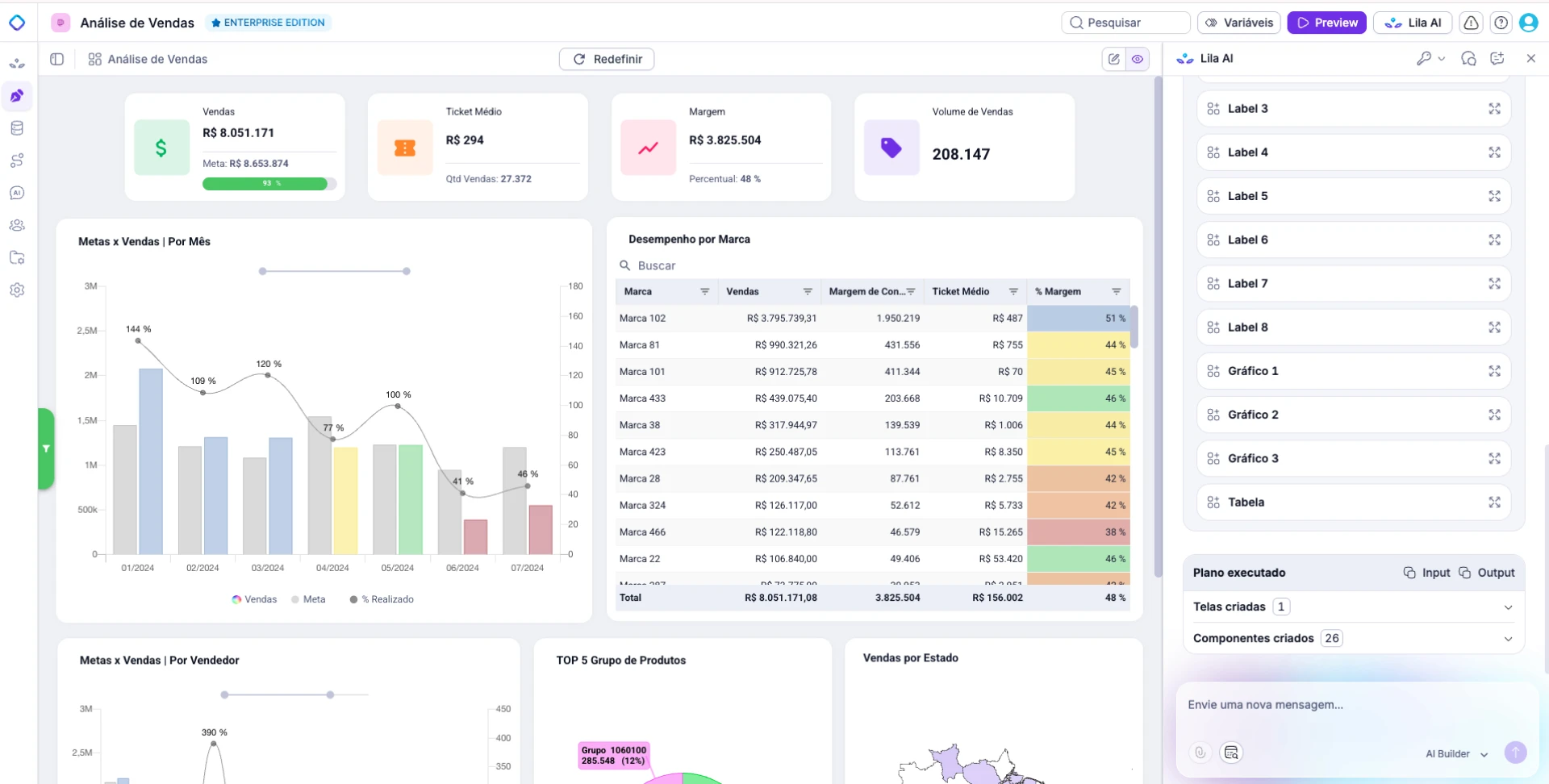
Mitra functions as a digital advisory structure that allows the CFO to:
Centralize information with ERP integration, avoiding rework
Replace spreadsheets with automated and traceable approval workflows
Build the budget collaboratively and securely
Monitor execution with visual dashboards and variance alerts
Update the forecast based on real data, with agility
The result is a more predictable, adaptable, and reliable budget cycle, without needing to change the company's entire structure.
Further reading
Budget and Forecast in Budget Planning: Complete Guide to Understanding and Applying
Flexible Budget: What It Is, How It Works, Advantages and Disadvantages
Conclusion: budgeting as continuous discipline
Budgeting is not just about forecasting. It is about making decisions based on data, adjusting course, and ensuring strategy translates into action. The CFO who masters the budget calendar gains the time needed to think about the future and not just react to the present.
With a well-structured process and tools that support operations, like Mitra, the finance department stops being support and becomes the engine of strategic transformation.