
Introduction
Companies that still approve purchases via email, spreadsheets, or messages are exposed to operational failures, rework, and loss of budget control. The lack of standardization in the requisition flow creates bottlenecks and makes it difficult to track spending.
According to data from Aberdeen Group, organizations that automate their procurement process can reduce operational costs by up to 30% and shorten the average acquisition cycle time by about 20%.
In this article, you'll find a practical guide to digitalize your company's procurement process, with a focus on traceability, compliance, and integration with financial planning.
What is an automated procurement process

An automated procurement process is a system that digitally organizes all acquisition stages — from requisition to payment — with clear rules, configurable workflows, and complete visibility.
Solutions integrated with ERP or platforms with their own workflows allow you to transform a previously decentralized and informal process into an auditable, predictable, and collaborative chain.
Main benefits of automation:
Reduction of manual errors and rework
Clear approval rules by authority level and purchase type
End-to-end visibility and traceability
Integration with budget, cost center, and cash flow
Improved relationships between requesters, approvers, and finance
Main bottlenecks in manual processes

Most inefficiencies in the procurement process stem from lack of standardization and excessive informal control. The main challenges include:
Lack of centralized visibility of requests
Approvals outside policy, with compliance risk
Decentralized spreadsheets and conflicting versions
Difficulty identifying bottlenecks and improvement opportunities
Risk of verbal authorizations without documentation
Market data shows that companies with manual processes take an average of 12 days to complete a purchase. By automating, this time can drop to just 4 days.
How to automate the procurement process: step by step

Automation doesn't start with the tool, but with process clarity. Below, see the recommended steps to structure this transformation:
1. Map and document the current workflow
Before making changes, you need to understand how purchases happen today.
How are requisitions made?
Who approves and based on what criteria?
Is there a clear record of steps or decisions?
Are there specific policies for certain purchase types (e.g., CAPEX, services)?
This diagnosis prevents the new system from simply digitizing an inefficient process.
2. Define rules and internal policies
Documenting guidelines is essential for clarity and avoiding subjectivity.
Establish approval authority levels by transaction value
Create purchase categories with distinct criteria
Set timelines for each workflow stage
Structure a procurement manual with best practices
These policies should be incorporated into the automated workflow.
3. Choose a platform suited to your operation
The tool should adapt to your process, not the other way around. Look for solutions that allow:
Custom form creation by requisition type
Different workflows for materials, services, contracts, or urgent purchases
Integration with ERP, financial system, and budget
Report generation by cost center, project, or business unit
Automation should bring control without creating unnecessary bureaucracy.
4. Train and engage users
The success of automation depends on buy-in from everyone involved. To achieve this:
Conduct practical training sessions with real-world examples
Highlight time and security gains with the new workflow
Provide support and feedback channels at the start of implementation
Build a culture of documentation and compliance, with ongoing reinforcement
Strategic benefits of procurement automation

Automation doesn't just reduce errors — it transforms the procurement department into a strategic hub within the organization. Key gains include:
Up to 60% reduction in procurement cycle time
Predictability and spending planning with budget integration
Audit logs to ensure compliance and governance
Spending visibility by cost center, department, or project
Improved cross-functional relationships with less friction and greater agility
Better control over contracts, vendors, and service-level agreements
How Mitra supports procurement automation
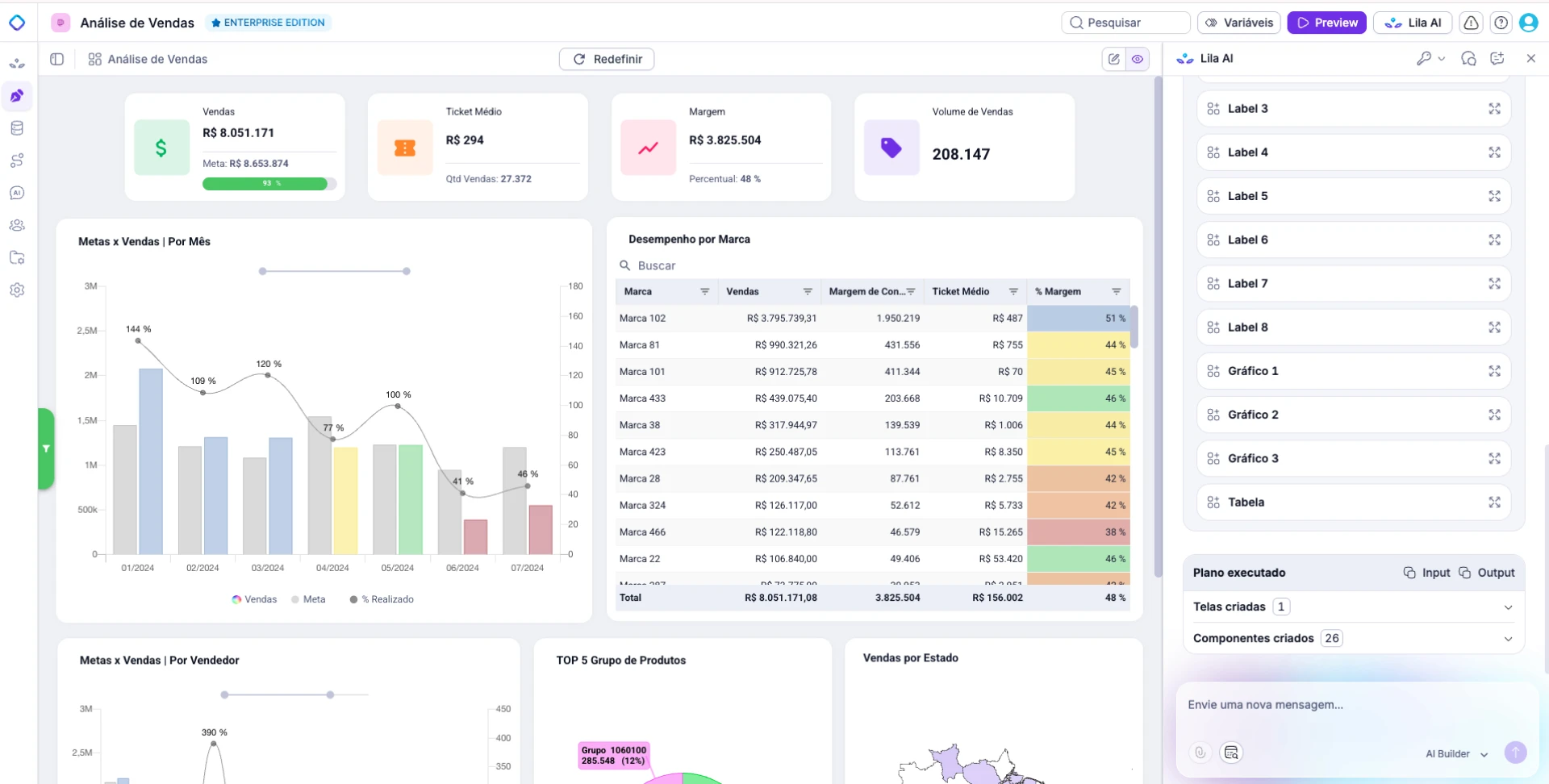
Tools like Mitra allow you to integrate the procurement process with your budget and financial flow. With a modular structure, managers can create approval workflows with different rules by expense type, track spending by cost center in real time, and generate automatic alerts for deviations.
Additionally, by consolidating requisitions and approvals in a single, traceable environment, Mitra directly contributes to reducing rework, improving compliance, and increasing speed.
Conclusion
Automating the procurement process is a fundamental step for companies that want to grow with efficiency, control, and governance. With digitalization, procurement moves beyond being merely operational and becomes a strategic partner to finance, planning, and requesting departments.
The transformation doesn't require large teams, but clarity of processes, the right solution, and user engagement. With proper support, the gains are immediate: waste reduction, reinforced compliance, and a new data-driven management culture.